For many buyers entering the market at the affordable end, the biggest challenge isn’t simply finding a home that fits within budget. It’s working out where value is actually being delivered, and where compromises are quietly embedded into the process.
Many of the trade-offs that shape daily living, future costs, and resale potential are locked in well before construction begins. Layout efficiency, upgrade pressure, and cost certainty often matter more than headline price, yet they’re rarely the focus when buyers compare “affordable” options.
As a result, buyer behaviour has begun to shift. Rather than chasing the cheapest base price or the most flexible list of upgrades, many purchasers are gravitating toward homes where the fundamentals are already resolved, designs that minimise uncertainty and reduce the likelihood of compromise later on.
That mindset is reflected in Eight Homes’ Affordable Eight range, where the most popular designs aren’t necessarily the smallest or cheapest, but the ones that provide clarity in both layout and cost from the outset.
The Affordable Eight range is a collection of pre-designed single and double-storey homes developed by Eight Homes, built around fixed pricing, locked-in site costs, and a streamlined eight-step build process intended to reduce uncertainty for budget-conscious buyers.
Looking more closely at some of the most popular designs within the range reveals the kinds of decisions that often separate a smart purchase from a short-term compromise.
Kubo 1-14
The Kubo 1-14 is ideal for buyers with narrower blocks or those prioritising efficiency over size. At just under 14 squares, its appeal isn’t about minimalism for its own sake, but how the space is arranged.
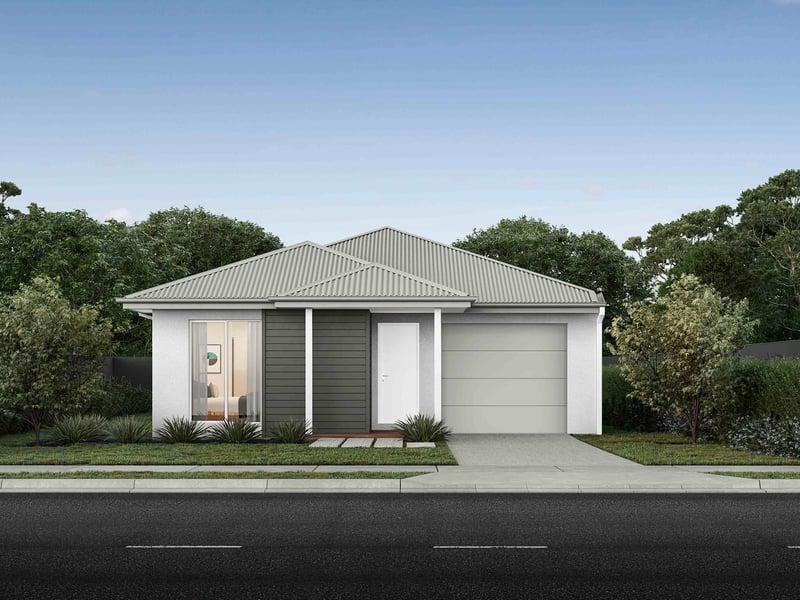
The main bedroom is positioned at the front with its own ensuite and walk-in robe, creating separation from the secondary bedrooms, while the kitchen and living areas operate as a single, practical hub.
For many first home buyers, this layout quietly solves a common issue: a compact home that doesn’t feel compromised in day-to-day living.
Niva 2-18
The Niva 2-18, by contrast, will appeal to young families looking for bedroom count without stepping into a two-storey build. Its four-bedroom layout, paired with generous storage and a walk-in pantry overlooking the dining area, reflects a clear understanding of how families actually use space.
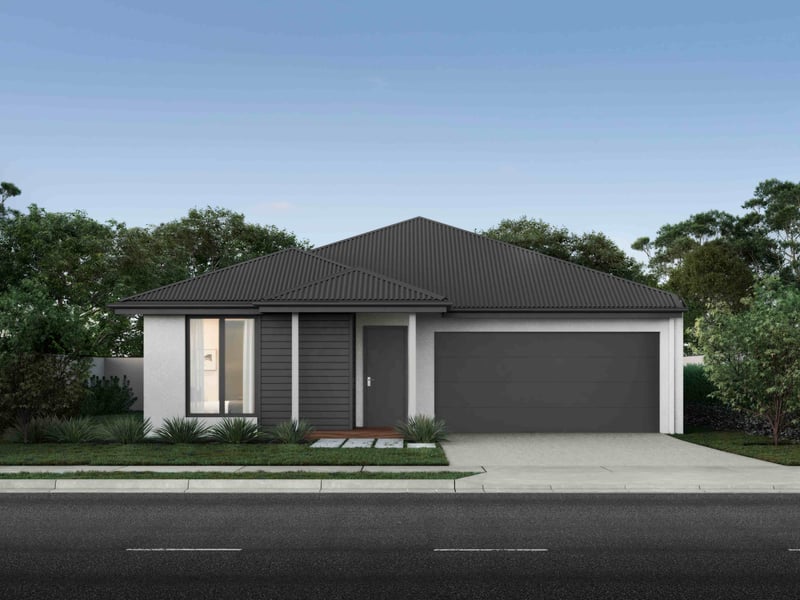
The popularity of this design suggests buyers are thinking beyond initial affordability and considering how long the home will suit their needs before an upgrade becomes necessary.
Leny 1-24
For buyers wanting flexibility across stages of life, the Leny 1-24 has become a standout. Its two-storey format allows the inclusion of a ground-floor guest bedroom with ensuite, a feature often overlooked by first home buyers but increasingly valued by those thinking ahead to visiting family, aging parents, or shared living arrangements.
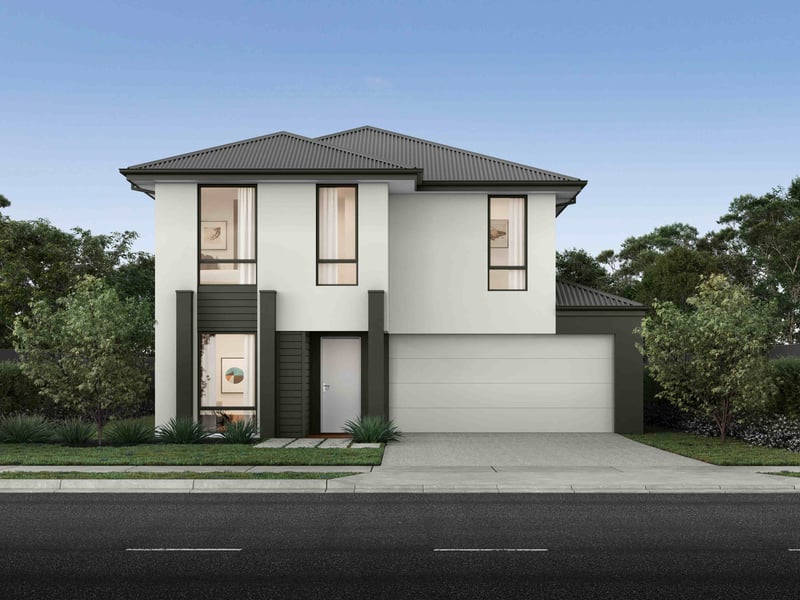
Upstairs, the separation between bedrooms and casual living space creates privacy without isolating the household, a balance many buyers don’t realise they’re missing until they see it laid out clearly.
Vexa 4-36
At the larger end of the range, the Vexa 4-36 will attract buyers who might otherwise assume affordability and scale are mutually exclusive. Its zoning, guests downstairs, family living upstairs, reflects a shift in how larger households are approaching value.
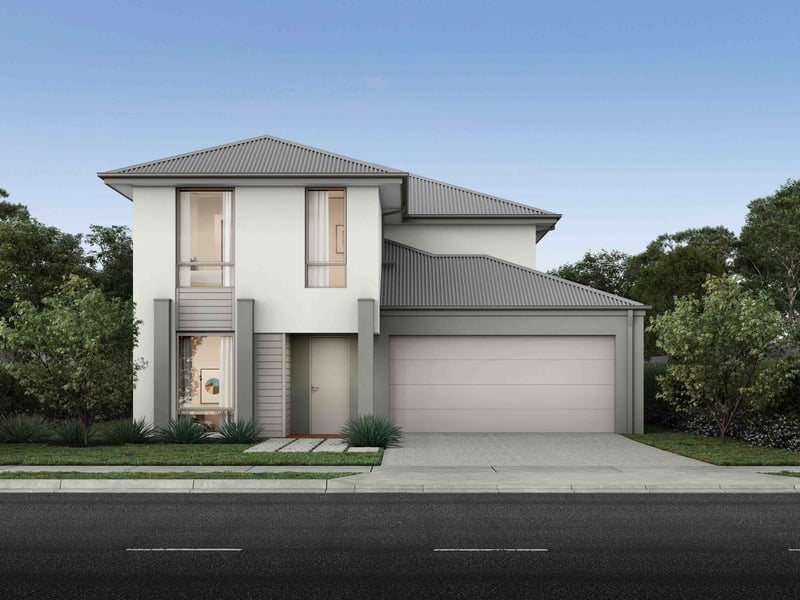
Rather than excess rooms, buyers are drawn to defined spaces that reduce noise, improve privacy, and allow the home to adapt as household dynamics change over time.
The success of affordability
What unites these designs isn’t just their price point, but a shared emphasis on removing friction from the building journey. Fixed pricing, carefully considered inclusions, and layouts refined through repetition mean buyers are less exposed to cost surprises and design regret, two factors that disproportionately affect those building at the affordable end of the market.
In many cases, buyers considering affordable homes underestimate how much long-term satisfaction is shaped by decisions made before contracts are signed: room positioning, storage allocation, circulation, and how easily a home accommodates change. The success of Eight Homes’ most popular Affordable Eight designs suggests that when these fundamentals are resolved upfront, affordability becomes less about compromise and more about clarity.
For buyers weighing their options, the takeaway is less about square metres or headline pricing, and more about how intentionally a home has been designed to remove unnecessary complexity.
Publisher Website: www.homeshelf.com.au