Builder inclusions are often presented as a headline number, a long list of finishes and features bundled into a base price. In practice, those lists are one of the hardest parts of the buying process to compare fairly. Two homes can appear similarly specified on paper, yet differ meaningfully in quality, longevity, and what ends up costing extra once contracts are underway.
The challenge for buyers isn’t spotting what’s included. It’s understanding how those inclusions are defined, where flexibility ends, and which items are quietly doing the heavy lifting in overall value.
Why inclusion lists are hard to compare at face value
Most builders structure inclusions to support their business model rather than buyer comparison. Some prioritise a long checklist to create perceived value. Others keep inclusions tighter but allow broader upgrade flexibility later.
What this means for buyers is that surface-level comparisons, tile sizes, appliance brands, square metre allowances, often miss the decisions that matter most once you move in or try to modify the home down the track.
True “apples to apples” comparison requires stepping back from the list itself and focusing on the underlying assumptions behind it.
Base inclusions versus fixed selections
A key distinction is whether an inclusion is allowanced or fixed.
Allowanced items, such as kitchen cabinetry, tapware, or flooring, are often included up to a dollar value, not as a guaranteed product. Builders may list “stone benchtops” or “timber-look flooring,” but the specific range available at base price can vary significantly in thickness, finish quality, and durability.
Fixed selections, on the other hand, lock in a defined product or range. While these lists may appear shorter, they often provide clearer cost certainty and fewer surprises during selections.
For buyers, clarity matters more than quantity. A shorter list with clearly defined products can be easier to evaluate than a longer one built around allowances.
Structural and performance inclusions that don’t photograph well
Inclusion lists tend to emphasise finishes because they’re visible and easy to market. Structural and performance elements, which have a far greater impact on comfort and running costs, are often less obvious.
Items worth scrutinising include:
-
Ceiling heights across different zones, not just the main living area
-
Insulation levels beyond minimum compliance
-
Window glazing specifications and frame quality
-
Heating, cooling, and ventilation systems by capacity, not just presence
Two builders may both include “ducted heating,” for example, but differ in zoning, system size, or brand reliability. These differences rarely show up in promotional summaries but become clear once detailed specifications are requested.
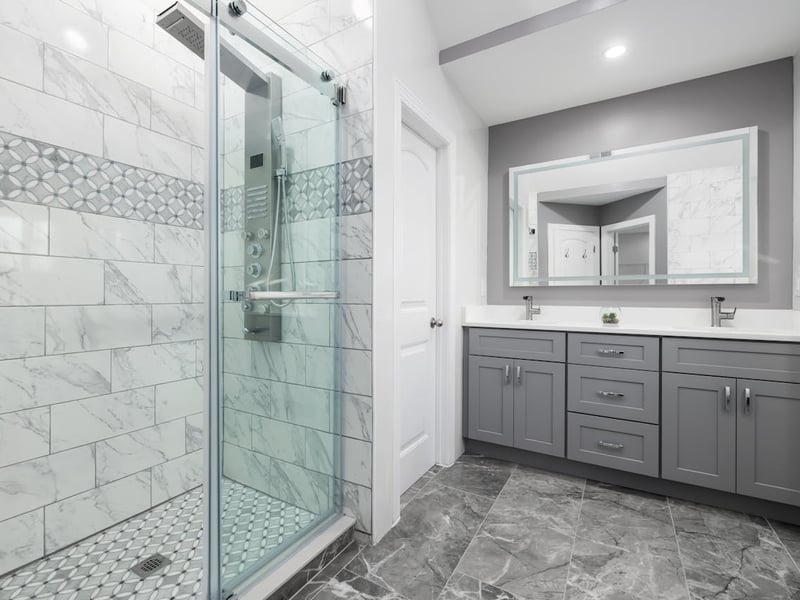
Wet areas: where inclusions diverge quickly
Bathrooms and laundries are one of the fastest points of divergence between builders.
Pay close attention to:
-
Full-height tiling versus tiled splashbacks
-
Tile size and layout options at base price
-
Waterproofing scope and compliance details
-
Vanity construction and storage depth
A builder offering larger-format tiles or full-height wet area finishes as standard may initially appear more expensive, but can reduce upgrade costs substantially once selections begin.
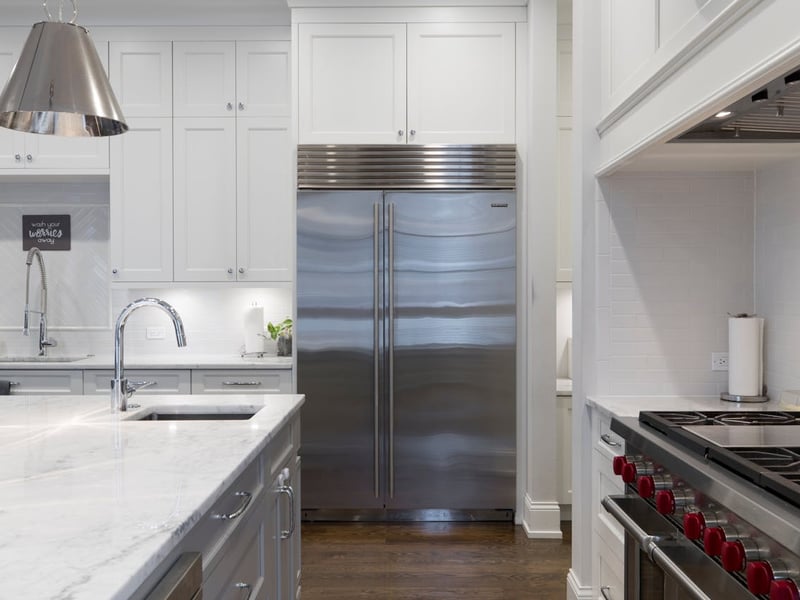
Kitchens: look beyond appliances
Appliance brands are often the headline kitchen inclusion, but cabinetry and joinery typically have a bigger impact on long-term use.
Key comparison points include:
-
Cabinet carcass material and thickness
-
Soft-close hardware as standard or upgrade
-
Pantry configuration and storage flexibility
-
Splashback materials and installation height
A builder with mid-range appliances but higher-quality cabinetry may deliver better everyday value than one focused purely on brand-name appliances.
Site costs and what’s quietly excluded
Inclusions rarely tell the full story unless paired with site cost assumptions. Builders may include items such as basic site works, slab design, or BAL requirements, but only up to specific thresholds.
Understanding what triggers additional costs, soil classification changes, retaining, fall across the block, is essential when comparing builders operating in different estates or regions.
An inclusion list that looks generous can quickly unravel if key site-related elements sit outside the base contract.
How to compare inclusions with confidence
For buyers seriously weighing multiple builders, the most effective approach is consistency:
-
Compare detailed specification documents, not marketing summaries
-
Ask each builder to price the same layout and façade
-
Clarify which items are fixed versus allowanced
-
Request written confirmation of any verbal assurances
Where possible, bring inclusion lists side by side and mark assumptions rather than features. What’s unclear is often more important than what’s included.
The real takeaway for buyers
An apples-to-apples comparison isn’t about finding the longest list. It’s about understanding how each builder balances cost control, flexibility, and long-term livability.
Builders make deliberate choices about where to spend and where to hold back. Once buyers understand those priorities, inclusions become less about marketing and more about alignment, with how the home will actually be built, lived in, and maintained over time.
Publisher Website: www.homeshelf.com.au