Four-bedroom homes remain one of the most popular choices across Australia, not because buyers need four sleeping spaces from day one, but because the configuration offers long-term flexibility. As households change, through remote work, growing families, visiting relatives or shifting privacy needs, it’s the layout, not the bedroom count, that determines whether a home continues to function well.
The following four-bedroom designs highlight different approaches to flexibility, showing how zoning, room placement and circulation can extend a home’s usefulness well beyond its initial brief.
Parkville by Sherridon Homes
Ground-floor flexibility with a clearly defined upper zone
The Parkville by Sherridon Homes' flexibility comes from its front-positioned ground-floor guest bedroom, located adjacent to a full bathroom and separated from the main living zone. On plan, this room is clearly removed from the kitchen and family area, making it suitable for guest use, home office functions, or longer-term accommodation without disrupting daily household routines.
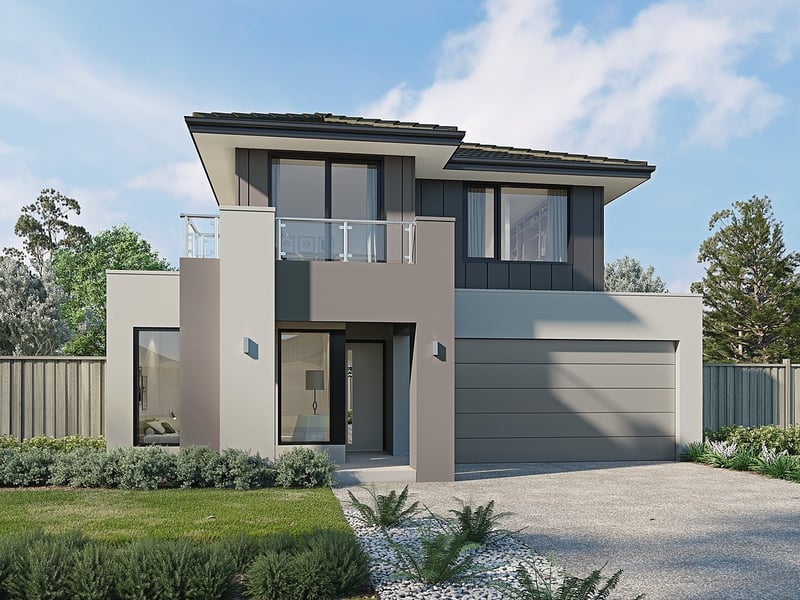
Upstairs, the remaining bedrooms are grouped around a central rumpus, forming a contained private level. This creates a clear division between shared living downstairs and sleeping zones above, allowing the upper floor to function as a semi-independent zone when needed.
The layout demonstrates how four-bedroom homes on narrower lots can still achieve effective zoning through vertical separation rather than footprint expansion.
Serenity by Omnia Homes
Layered living spaces rather than a single open core
Serenity by Omnia Homes' plan shows a deliberate move away from one dominant living zone. The ground floor combines open family, meals, and kitchen areas with a separate rumpus positioned toward the rear, while a guest bedroom and bathroom are located closer to the entry.
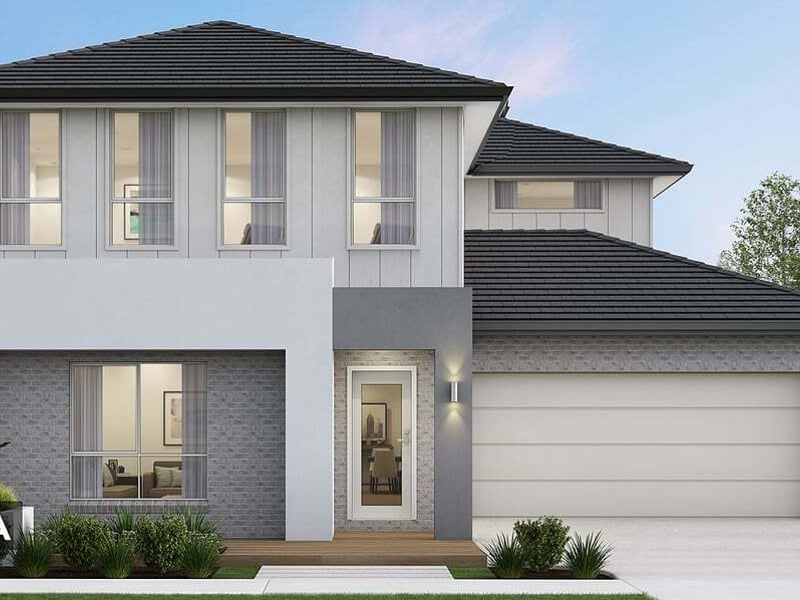
Upstairs, bedrooms are arranged around a central retreat, reinforcing the idea of layered use rather than constant overlap. Bathrooms and storage zones sit between bedrooms, helping buffer noise and increase privacy across sleeping areas.
This layout suits households that want flexibility through choice of spaces, rather than relying on rooms changing function over time.
Saba 331 by Mimosa Homes
Single-storey separation through layout, not size
As a single-storey design, the Saba 331 by Mimosa Homes relies on horizontal zoning to achieve flexibility. The master bedroom is positioned away from the secondary bedrooms, creating privacy without stairs, while the remaining rooms are grouped closer to shared living areas.
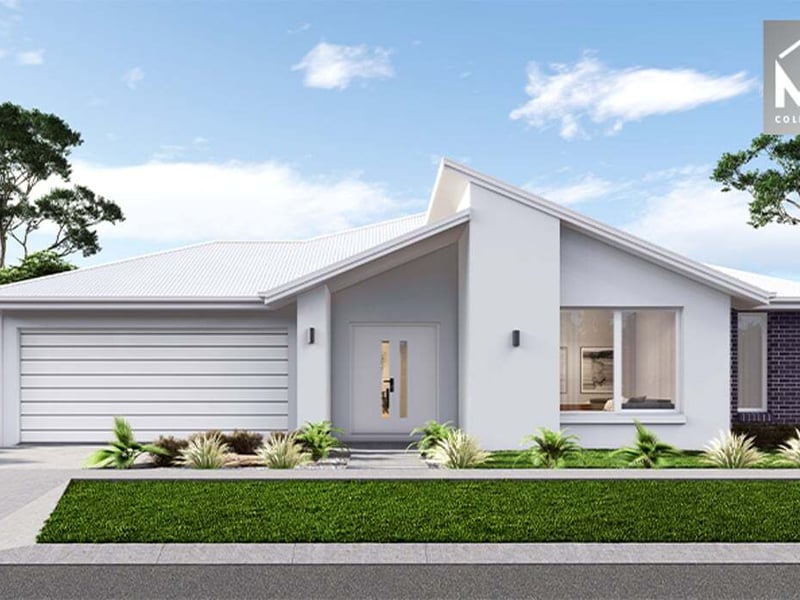
The fourth bedroom sits within the general bedroom wing, making it easily repurposed as a study or guest room depending on household needs. Importantly, circulation paths are direct and compact, reducing congestion and making all rooms equally accessible over time.
The plan highlights how single-storey four-bedroom homes can still adapt, particularly for buyers thinking long-term or prioritising ease of movement.
d SIX Range by Eight Homes
Multiple living zones designed to be reassigned
The d SIX Range by Eight Homes uses both front and rear living spaces on the ground floor, alongside a study, allowing rooms to change purpose as household needs evolve. Rather than pushing all activity into one central area, the plan distributes living zones across the home.
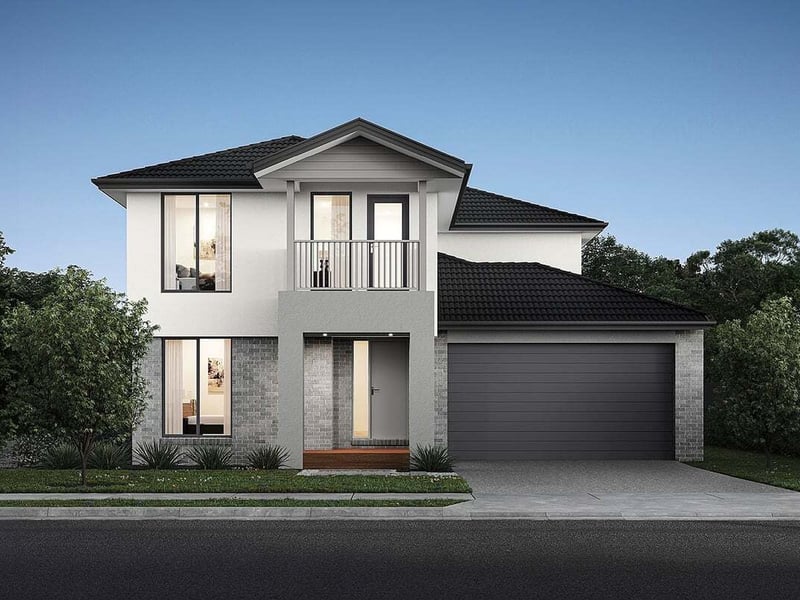
Upstairs, bedrooms are arranged around a casual living space, with storage integrated into the circulation core. This allows the upper level to function independently from the ground floor if required, without isolating individual rooms.
The strength of this design lies in its ability to absorb change without structural alteration, rooms can shift use without disrupting the broader layout.
Why flexibility matters more than labels
What these designs share is not a target demographic, but a planning approach. Instead of assuming how a household will live, each layout allows rooms to change purpose over time. For buyers, this kind of flexibility often proves more valuable than additional square metres or decorative upgrades.
Four-bedroom homes continue to perform well because, when planned properly, they accommodate change rather than resist it. For buyers assessing floor plans, the question is less “How many rooms do I need now?” and more “How well will this layout adapt when things change?”
Publisher Website: www.homeshelf.com.au