Narrow lots are no longer unusual across Melbourne’s growth corridors. In many new estates, reduced frontages have become increasingly common, shifting buyer attention toward narrow block home designs that can handle tighter sites without relying on cosmetic fixes.
As blocks narrow, the difference between designs becomes less about total floor area and more about how space is allocated: where bedrooms sit, how circulation is handled, and whether shared areas feel usable once furniture and daily routines are factored in.
Across its M and V Collections, Mimosa Homes includes several designs suited to narrow lots, each using different layout strategies to address tighter sites. The examples below show how these plans manage zoning, privacy and movement without relying on height alone or cutting back essential rooms.
Locksley 131
An efficient layout for the narrowest blocks
8.5 m Minimum Frontage - V Collection
With a minimum frontage of just 8.5 metres, the Locksley 131 is designed for some of the tightest residential lots now entering the market.
Rather than pushing all bedrooms to one side, the layout deliberately separates the master suite at the rear from two front bedrooms. This zoning improves privacy and reduces overlap between quiet and active areas of the home.
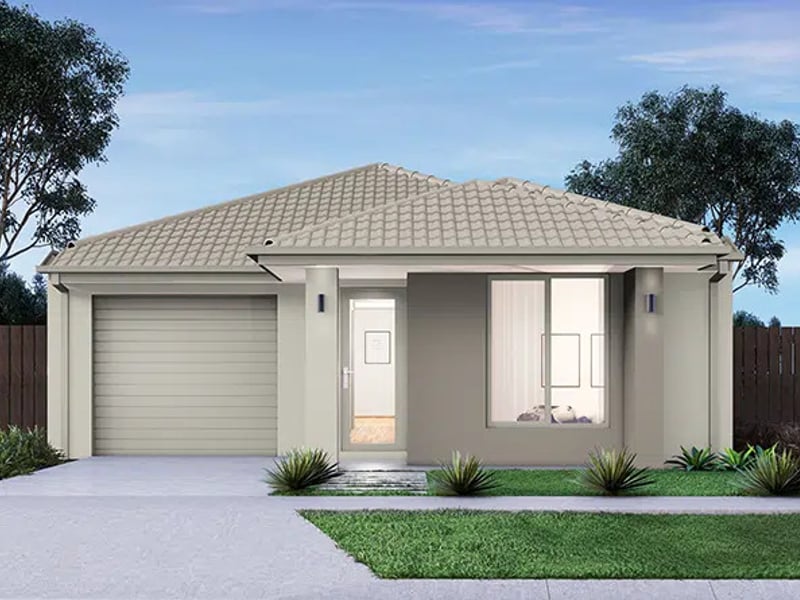
Locksley - Dutton facade
The open-plan kitchen, meals and living area forms the heart of the design, proving that even at this scale, spatial clarity matters more than raw square metres.
For buyers navigating highly constrained lots, the Locksley demonstrates that thoughtful planning can still deliver a balanced home.
Baynton 143
Compact without feeling minimal
10.0 m Minimum Frontage - V Collection
At 10 metres minimum frontage and just over 14 squares, the Baynton 143 is one of Mimosa’s most compact narrow-lot offerings, yet it avoids the compromises typically associated with this size bracket.
The master suite is located at the front, with internal garage access improving daily convenience, a feature that becomes more important as block widths reduce.
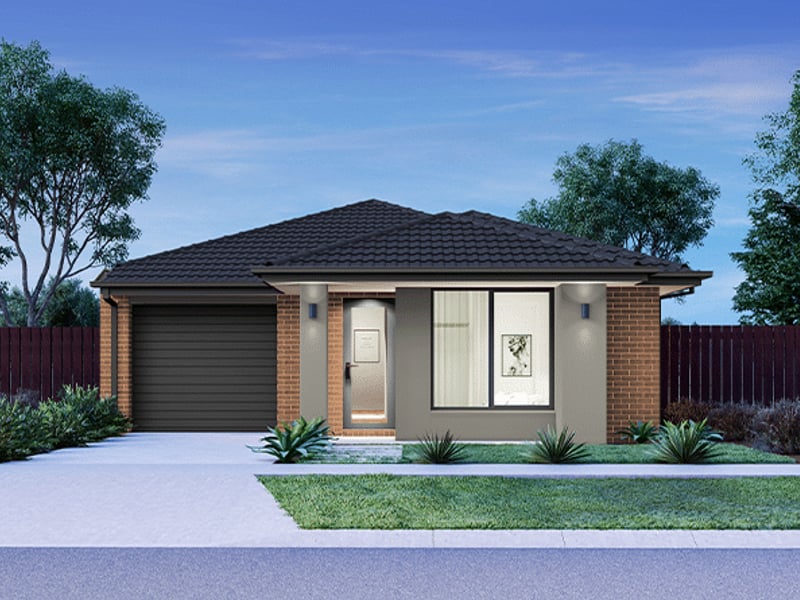
Baynton - Dutton facade
Two additional bedrooms are supported by a separate WC, improving practicality for shared living.
The open kitchen, meals and living area sits at the rear, maintaining a strong connection to the backyard despite the home’s smaller footprint.
This design is well suited to first-home buyers or downsizers who want simplicity without sacrificing separation.
Darley 178
Narrow frontage without narrow living zones
10.5 m Minimum Frontage - M Collection
Designed for lots from 10.5 metres wide, the Darley 178 shows how single-storey homes can still deliver separation and flow on compact sites.
The master bedroom is positioned at the front, creating a clear break between private and shared zones. Its ensuite with double vanity is a deliberate choice in a footprint this size, signalling that Mimosa has prioritised everyday usability over headline room counts.
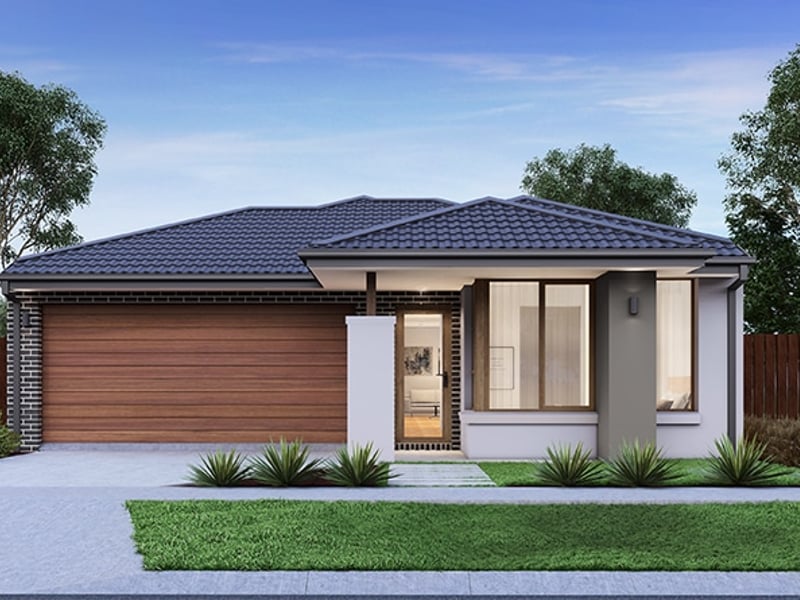
Ella facade
At the centre, the open kitchen, meals and living area runs laterally rather than longitudinally, reducing the “hallway effect” common in narrow homes. A walk-in pantry further supports day-to-day storage without eating into living space.
This design suits buyers seeking a traditional single-storey layout that doesn’t feel compressed once furnished.
Avoca 232
A double-storey solution that earns its height
10.5 m Minimum Frontage - V Collection
On narrow blocks, going double storey can either solve problems or amplify them. The Avoca 232 sits firmly in the former category.
With a minimum frontage of 10.5 metres, the Avoca uses vertical separation to resolve competing needs. The ground floor balances entertaining and retreat, offering a front lounge alongside an open kitchen and dining zone. This allows families to use the home flexibly without forcing every activity into one space.
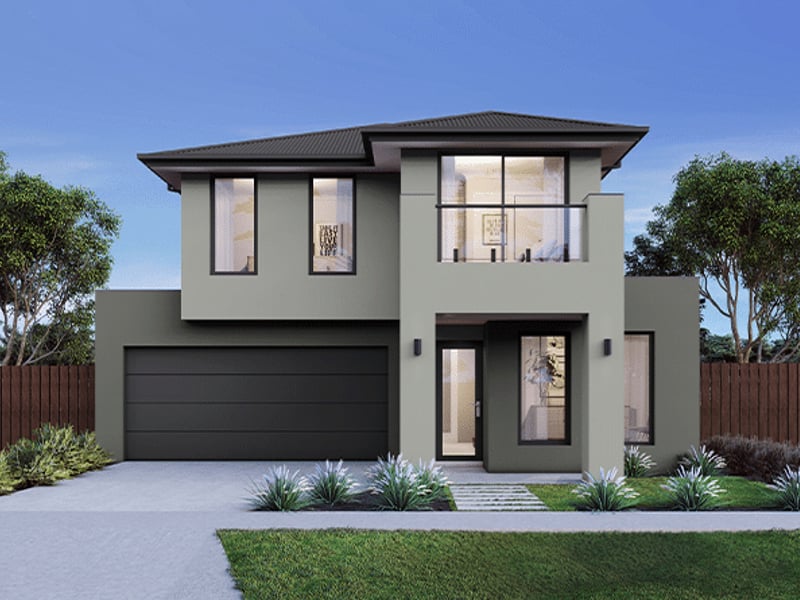
Avoca - Heywood facade
Upstairs, larger-than-average bedrooms are paired with a third living area, a move that acknowledges how families actually use space as children get older.
Rather than maximising bedroom count, the Avoca prioritises usable rooms, making it a stronger long-term option for growing households on narrower land.
Longwood 177
Front-loaded bedrooms for quieter living
10.5 m Minimum Frontage - V Collection
The Longwood 177 takes a different approach by placing two secondary bedrooms at the front of the home, anchored by a central bathroom.
This configuration shortens internal corridors and improves acoustic separation between sleeping zones and the main living area.
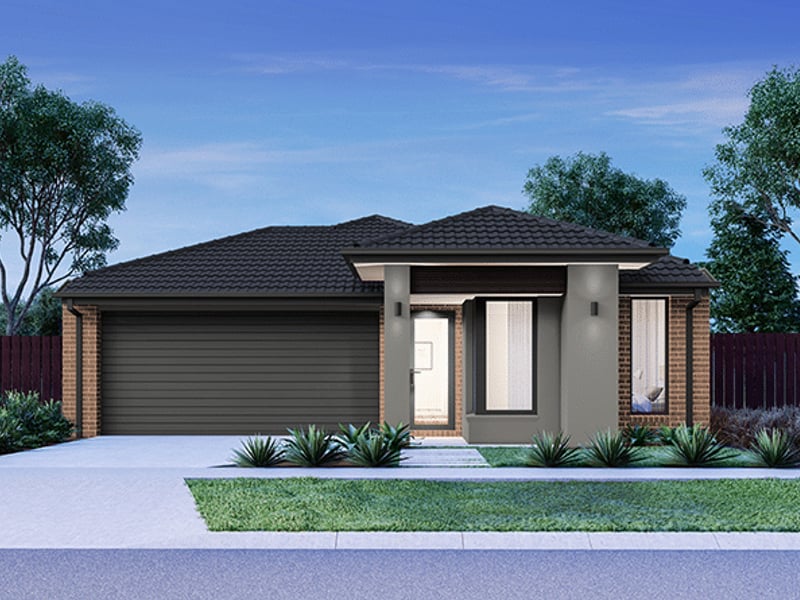
Longwood - Lotus facade
The kitchen and living space sits centrally, while the master bedroom is positioned at the rear, creating a sense of retreat that is often missing in narrow designs.
The walk-in pantry and generous living area reinforce that this is not a downsized home, but a carefully edited one, designed to suit busy households that value functionality over formal spaces.
Good planning over bigger footprints
Across these designs, a consistent theme emerges: Mimosa Homes treats narrow blocks as a planning challenge, not a styling exercise.
Rather than relying on visual tricks or token double-storey additions, the layouts prioritise:
-
clear zoning between private and shared spaces
-
reduced corridor waste
-
storage that supports daily use
-
flexibility as household needs change
For buyers building on narrow land, these considerations often matter more than façade choices or headline inclusions.
As lot sizes continue to compress across Melbourne and Geelong, the quality of narrow-lot design will increasingly determine how well homes age. Mimosa’s approach suggests that good planning, not bigger footprints, remains the most reliable way to future-proof smaller sites.
Publisher Website: www.homeshelf.com.au